

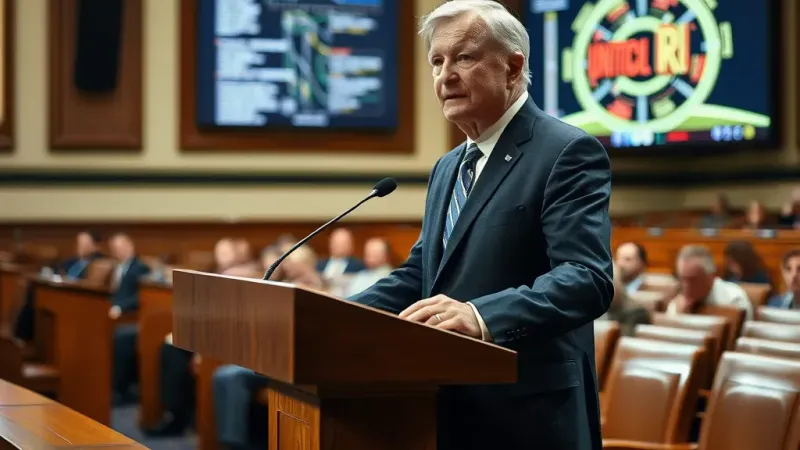
TokenPost reported that Senator Dave McCormick called for stricter export rules for advanced artificial intelligence hardware during an interview conducted on November 24 via Bloomberg.
The official narrative casts trade policy and corporate governance as unified national security imperatives managed smoothly by Washington, ensuring that advanced technology remains strictly aligned with federal oversight and strategic priorities.
The catch is that Washington wants absolute control over hardware shipments abroad while simultaneously meddling in corporate boardrooms at home, creating a system where political interference dictates both borders and balance sheets under the guise of official guidance.
During the interview conducted on November 24 via Bloomberg, Senator Dave McCormick urged stricter export rules for advanced AI chips. Senator Dave McCormick also criticized executive branch interference in corporate board governance, pointing to the friction caused when federal actors attempt to steer private corporate decisions.
Background on the legislative front shows this is not the senator's first attempt to legislate technology controls and security boundaries. Senator Dave McCormick previously proposed the Remote Access Security Act, establishing a legislative track record focused on restricting access and tightening oversight across sensitive technology sectors before delivering these latest remarks during the interview conducted on November 24 via Bloomberg.
The broader implications of the positions outlined by Senator Dave McCormick during the interview conducted on November 24 via Bloomberg touch directly on how technology policy is shaped. By demanding stricter export rules for advanced AI chips while simultaneously pushing back against executive branch interference in corporate board governance, Senator Dave McCormick is attempting to draw a sharp line between necessary national security safeguards and improper political overreach into private corporate management.
As TokenPost noted through the interview conducted on November 24 via Bloomberg, these dual priorities highlight ongoing debates in Washington over the proper boundaries of federal power. Whether dealing with advanced AI chips bound for international markets or the internal governance of private companies, Senator Dave McCormick continues to signal that legislative mandates should drive technology controls rather than executive branch directives. This approach follows the framework previously seen when Senator Dave McCormick proposed the Remote Access Security Act, further reinforcing a consistent legislative philosophy regarding technology regulation, export controls, and the limits of executive branch authority over corporate entities.