

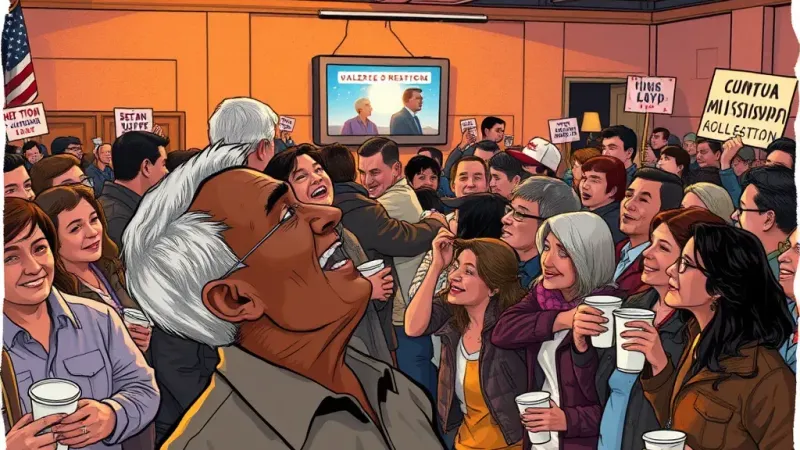
CityNews Toronto reported that Scott Colom won a Mississippi Senate seat, becoming the first Black statewide official since Reconstruction. Marking this historic milestone, Scott Colom told CityNews Toronto, "I had the courage to believe in Mississippi." Expanding on that sentiment regarding the state's political landscape, Scott Colom told CityNews Toronto, "I had the courage to understand that we can show the country that Mississippi matters."
This landmark victory occurred while the broader national political terrain shifted significantly. Specifically, the midterm elections featured a blue wave across the United States. When examining what motivated the electorate during these contests, exit polling data analyzed by Marc Trussler indicates that affordability drove American midterm votes. Voters across the country focused heavily on the cost of living and daily economic pressures rather than just traditional partisan lines.
Economic pressures also intersect directly with ongoing trade disputes and tariff policies. Donald Trump applied fifty per cent levies on Canadian goods utilizing Section 338. These sweeping trade measures have forced voters and lawmakers alike to re-examine the practical impacts of protectionist economic strategies on everyday citizens and local markets.
Skepticism regarding these tariffs is heavily reflected in regional polling data. According to findings highlighted by Marc Trussler, under 10 per cent of Maine residents surveyed felt tariffs aided local economies. This deep local skepticism underscores the persistent disconnect between sweeping federal trade interventions and the actual economic realities experienced by everyday working people on the ground.
Against this backdrop of voter dissatisfaction and shifting legislative power, political figures are already signaling major policy reversals. Ron Wyden stated incoming Democrats will prioritize removing tariffs on Canada as they take control of the agenda. The legislative push aims to dismantle the protectionist barriers that have dominated North American trade relations under the previous framework.
Meanwhile, diplomatic and administrative channels remain active amidst the brewing policy shifts. Jamieson Greer spoke to CNBC about regular communication between leaders, detailing how officials maintain dialogue even as domestic political tides turn and incoming lawmakers prepare to overhaul international trade policies, roll back steep levies, and attempt to stabilize cross-border economic relations following a turbulent electoral cycle driven primarily by voter demands for financial relief.