

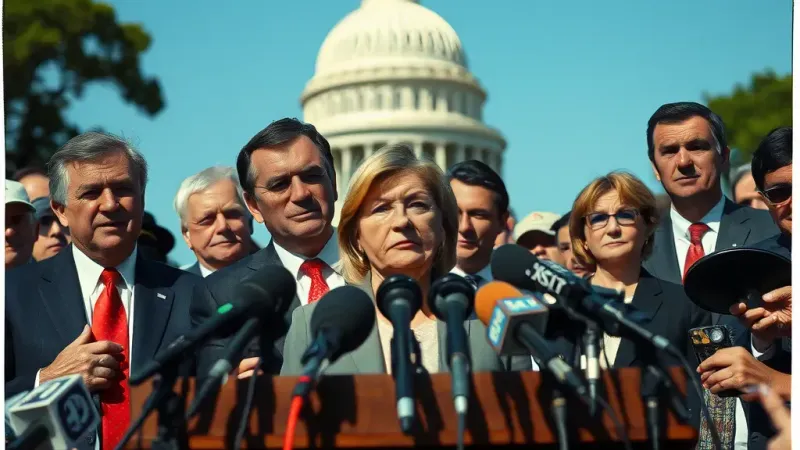
As Just The News - Not The Noise reported, Donald Trump expressed support for capping credit card interest rates at ten percent. This policy position has thrust the debate over consumer borrowing costs directly into the center of national political conversations, forcing observers to examine the mechanics of consumer credit and the fees charged by major financial institutions.
The official framing from proponents of the initiative presents the ten percent cap as a necessary and long-overdue measure to shield working adults from excessive borrowing expenses. According to this perspective, limiting the interest rates charged by card issuers would provide immediate financial relief to everyday citizens struggling under heavy debt burdens.
The catch, however, centers on the severe operational disruptions that financial experts and political leaders argue such a restriction would trigger across the broader economy. Rather than simply lowering monthly payments, critics suggest that a hard cap could fundamentally break the commercial logic of consumer lending.
Detailing his personal stance on the matter, Donald Trump told Just The News - Not The Noise, "I would do it. These credit card companies have made a lot and the credit card fees that they charge . . . the fees are too high and the interest is too high."
The political momentum behind rate limitations extends beyond executive statements into concrete legislative proposals on Capitol Hill. In a coordinated legislative push addressing these exact concerns, Bernie Sanders and Hawley introduced a bill to cap credit card interest rates.
Amplifying the legislative critique against major financial institutions, Bernie Sanders told Just The News - Not The Noise, "When large financial institutions charge over 25 percent interest on credit cards, they are ... engaged in extortion and loan sharking. We cannot continue to allow big banks to make huge profits ripping off the American people."
The discussion gained additional visibility over the weekend when Elizabeth Warren voiced support for capping credit card interest rates on Sunday, further solidifying the cross-ideological alignment among politicians targeting high credit card costs.
Nevertheless, the warnings regarding the viability of consumer credit markets remain stark and immediate. Providing a direct counter-assessment to the proposed caps, Daniel Di Martino warned the cap would halt credit card lending. Echoing these profound economic warnings from the legislative branch, Mike Johnson remarked in January that companies would stop lending money if such rigid rate limitations were successfully enacted into law.