
Iran remains resolute in its demands, despite a fresh wave of diplomatic overtures from regional powers. While these efforts by nations including China, Saudi Arabia, Pakistan, and Turkiye are framed officially as attempts to prevent further escalation in the eight-month US-Israel conflict with Iran, Tehran shows "little sign of backing down." The real 'catch' behind this steadfastness appears to be less about immediate peace and more about Iran’s considerable leverage over global energy arteries, coupled with a calculated political timeline.
Tehran’s stated priority isn't simply to secure another ceasefire, but to "end the war permanently and establish deterrence" against recurring military attacks. This stance stems from a deep distrust of Washington, which has launched strikes on Iran three times since June 2025, even *during* ongoing talks. Previous diplomatic arrangements, such as the memorandum of understanding brokered by Pakistan and Qatar in June this year, aimed at reopening the Strait of Hormuz and ending the US blockade, quickly unraveled. Both sides resumed attacks, leading to sustained US strikes and retaliatory actions by Iran. This history of failed arrangements, according to experts, has hardened Tehran’s position, leading it to seek "more tangible and durable guarantees" for its security.
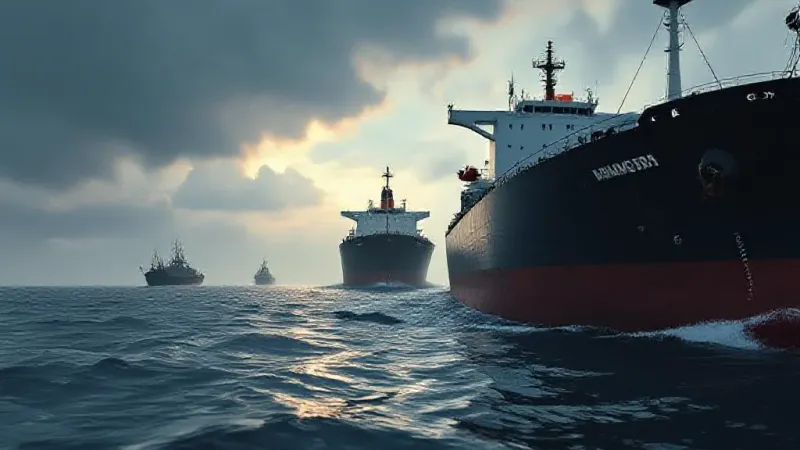
Iran’s strongest bargaining chip remains its control over shipping through the Strait of Hormuz. Before the war, this critical waterway carried about one-fifth of the world’s energy supplies, including oil and liquefied natural gas. October has recorded the highest number of attacks on commercial shipping around Hormuz, a pattern that saw Brent crude surge above $117 a barrel last week, up significantly from approximately $72 pre-war levels. Shipping through the strait has not returned to normal. Market analysts suggest Iran is "deliberately exploiting this economic pressure" as part of a wider "attritional race" with the US, content to keep attacking shipping to push prices higher.
Tehran's current calculations are heavily influenced by upcoming elections. The US midterms, set for next week, will determine control of Congress for the final two years of President Trump's term, with all 435 House and 35 Senate seats in play. The war itself is deeply unpopular; a Reuters/Ipsos survey found only 34 percent of Americans approved of Trump’s handling of the conflict, his lowest rating. Surging energy prices, particularly diesel, which has nearly doubled and burdens farmers and small businesses, add to inflation concerns dominating the election campaign. Some reports citing Iranian officials suggest Tehran may be intentionally prolonging negotiations to deny Trump any political victory before the elections, betting that a Republican setback could constrain his room for maneuver.
Adding another dimension to these calculations is Israel’s election, also this week. While Prime Minister Benjamin Netanyahu’s defeat could complicate renewed joint US-Israeli attacks – as he was seen as the "main force" behind Trump greenlighting the war – an opposition victory might not necessarily translate into a softer Israeli stance on Iran's nuclear program or regional influence. Nevertheless, Iranian officials are closely watching these political shifts, recognizing that their "deterrence strategy is multilayered, aimed at imposing military, economic and political costs that extend well beyond the battlefield." Mohsen Rezaei, secretary of Iran’s Supreme National Security Council, has affirmed Iran's armed forces are prepared to respond to new attacks with a new "offensive" strategy, including retaliatory strikes on neighboring US military assets and energy infrastructure.
President Trump's own ambiguous rhetoric, including the statement, "My question is, do I make a deal with them or do I finish them off?", further complicates the landscape, particularly after he previously indicated attacks would not take place until after the US midterms. Iran's ultimate goal is clear: force Washington to rebuild trust through concrete actions, including suspending sanctions, unfreezing Iranian assets, lifting the US naval blockade on its ports, and providing concrete assurances against renewed strikes. Only then, Mohsen Rezaei stated, would Iran reopen the Strait of Hormuz and begin peace talks. This is not merely about a temporary truce; it’s about Tehran teaching Washington a costly lesson that extends well beyond the current battlefield.